Even’s CEO Wants a Camera-Glasses Ban—Here’s What He’s Proposing

Analysis · October 21, 2026. Even Realities CEO Will Wang has called for temporary restrictions on camera glasses in public. His October 12 open letter is a proposal for industry and policymakers, not an announcement of a new law.
What Wang is asking for
In his open letter, Wang argues that protections for people around camera wearers have fallen behind the technology. He wants public-use restrictions while stronger safeguards are developed. His concern includes the uncertainty of being filmed in everyday settings, rather than only the choices made by the person buying the device.
The commercial context matters: Wang leads a company selling camera-free smart glasses. That gives him a direct interest in the design approach he advocates. Readers should consider his argument on its merits while recognizing that this is a manufacturer's position.
The question a headline cannot settle
Our view: a useful response needs more detail than choosing a side in a camera-versus-no-camera argument. A restriction would need to explain which activities it covers, how someone nearby would recognize them, and what would count as sufficient protection to end a temporary measure.
Consider two hypothetical uses: taking a scenic photograph during a trip and analyzing people in a private conversation. Treating those situations identically would need justification. Treating them differently would need rules that wearers and bystanders can understand. Those are questions for the debate, not outcomes established by Wang's letter.
What camera-free G2 glasses actually change
According to Even's Privacy Center, G2 has no camera and cannot take photographs or video. However, activated Conversate and Translate sessions send audio to cloud services for processing. Even says capture begins when a relevant feature is deliberately activated, rather than continuously.
The company says raw audio segments are deleted after transcription, with an exception when users opt into a relevant improvement program. Text records can remain available for review and deletion. Even also states that user data is not used to train its AI models. These are the company's published practices, not findings from an independent audit.
For a buyer, the distinction is practical: removing a camera addresses visual capture; it does not answer every question about spoken information. We would evaluate those two forms of collection separately.
Check what remains after a conversation
The Translate instructions explain that completed sessions are automatically saved as original and translated text. Records can be exported or deleted. They also distinguish turning off the glasses display from ending translation: translation can continue in the app after the display is switched off.
Our practical recommendation is to learn the end-session control before using translation with other people. An invisible result and an ended session are different states. Decide whether you need a lasting transcript before keeping or exporting one.
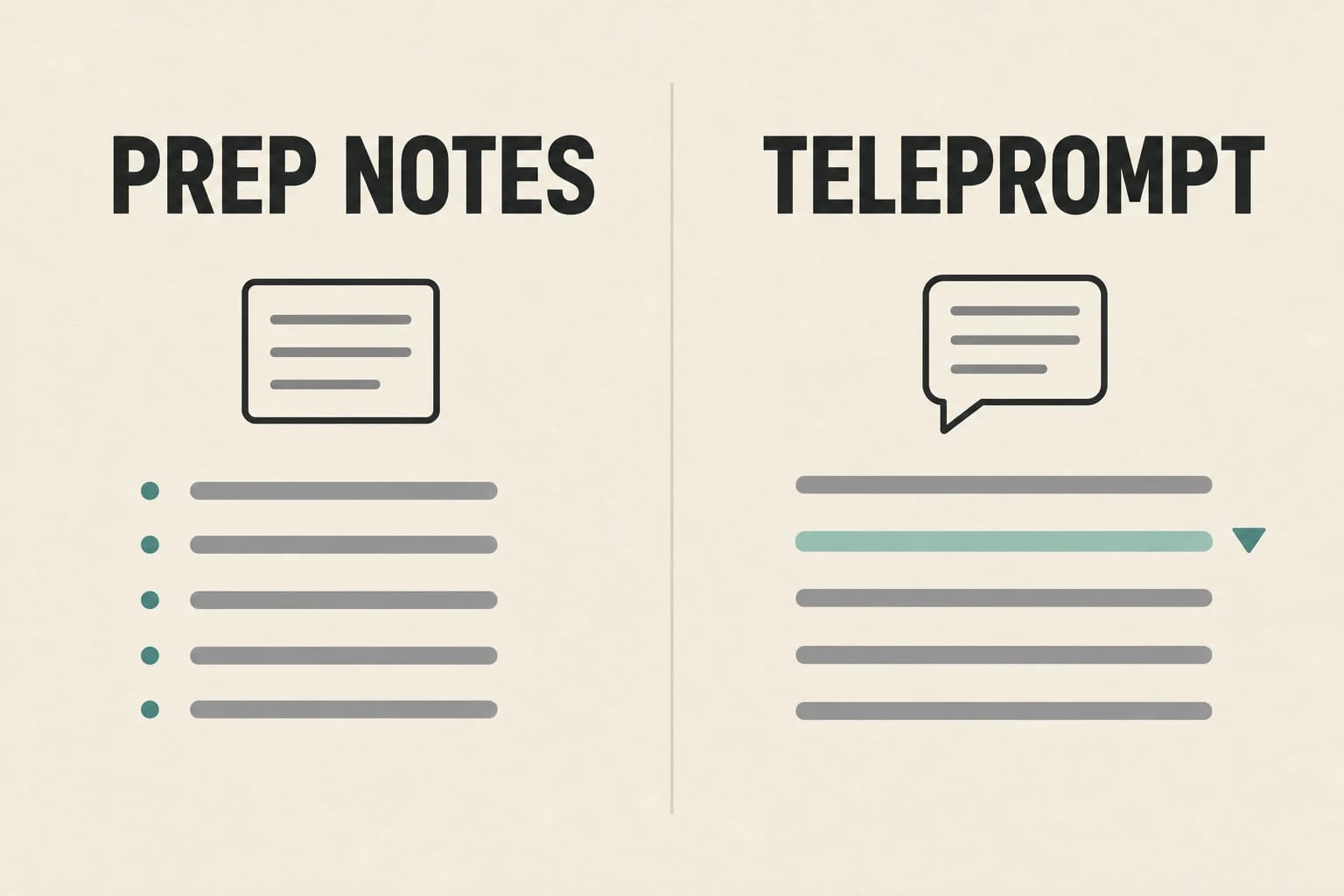
There is a separate connectivity question. Even's Conversate documentation says the feature requires an internet connection through the phone. Buyers seeking conversation assistance that works entirely offline should account for that requirement. For the different presentation workflows, see our Even G2 Prep Notes versus Teleprompt guide.
A better buying question than “Which side wins?”
Start with the task you actually want to accomplish. If taking photos is essential, a camera-free design cannot satisfy that requirement. If you want reading prompts or conversation support, ask which information each feature needs and whether you are comfortable supplying it.
Before buying, write down three questions: What can this device collect? Where does that information go during the feature I use? What can I review, keep, or remove afterward? Ask those questions of camera-equipped and camera-free models alike. A clear answer is more useful than a broad privacy label.
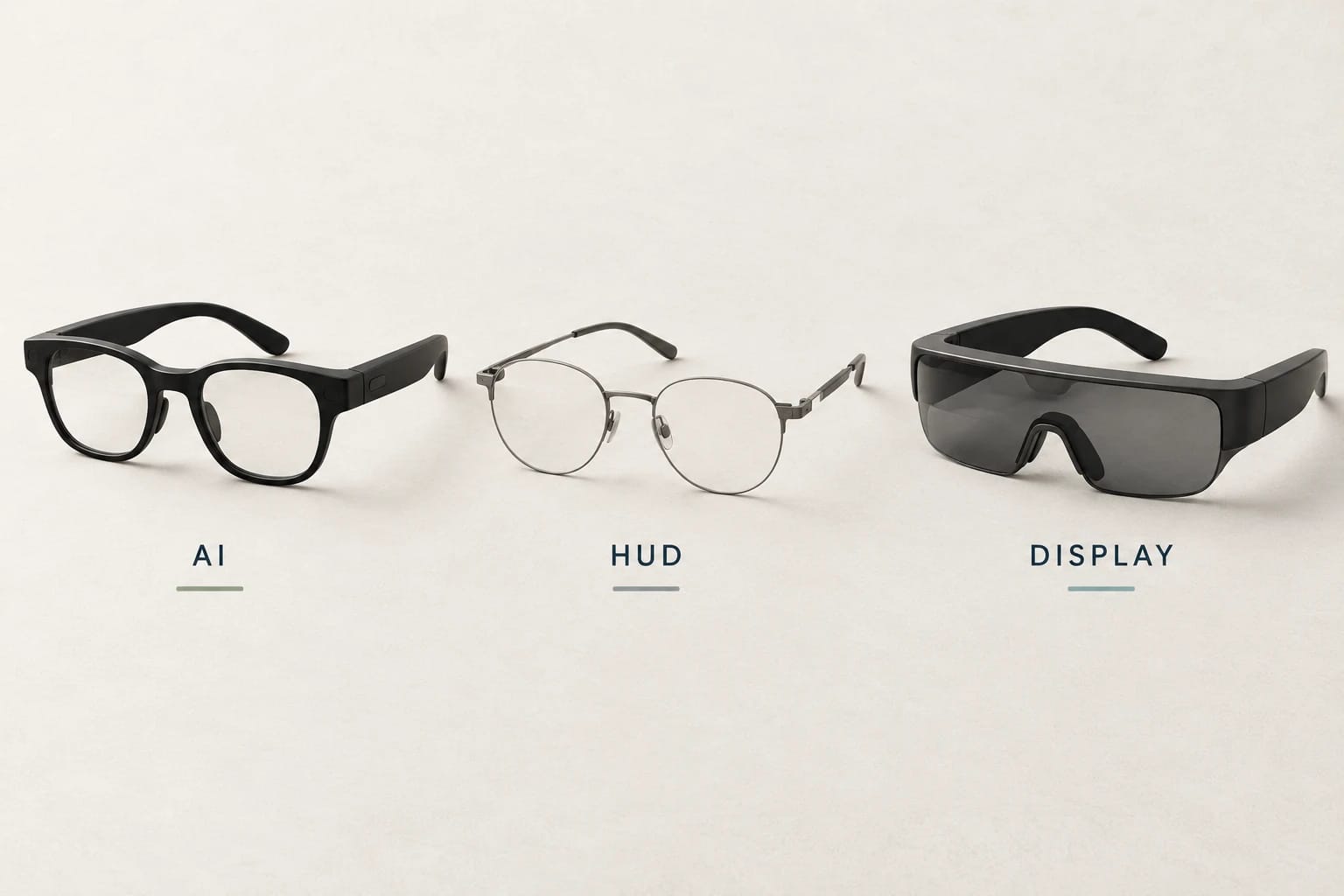
Our guide to AI glasses and display glasses can help narrow the device category. Wang's intervention adds another consideration to that choice: how the people around you experience the technology, alongside what it does for you.
Sources and editorial notes
We checked the linked manufacturer letter and documentation on October 21, 2026. This article is source-based analysis for buyers, not a hands-on test, independent security audit, or legal advice. The headline refers to Wang's requested restrictions; it does not describe an enacted ban. The cover is a conceptual AI illustration.