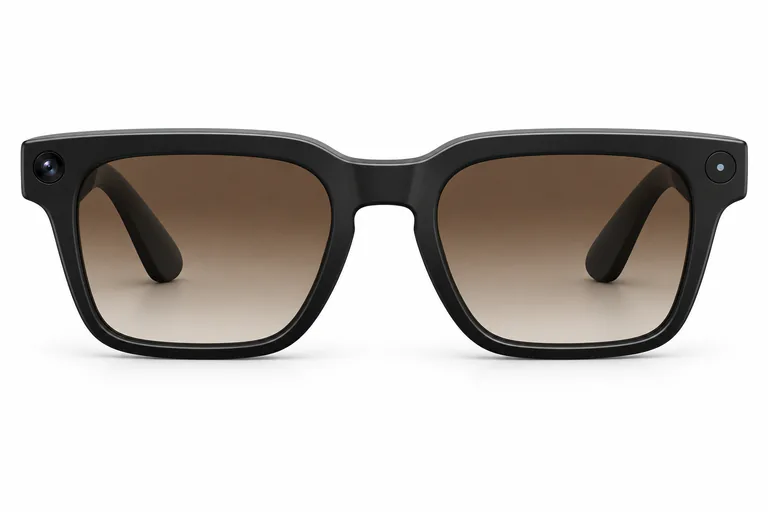
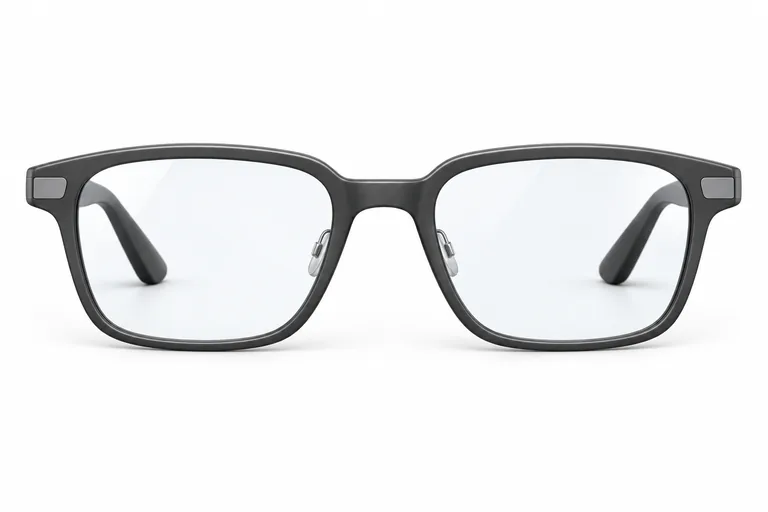
Technology that recedes
Everyday-AI models should be judged first on wearability, controls, audio, capture behavior, and privacy cues.

Find your next pair of smart glasses. Explore the latest models and compare the features that matter to you.
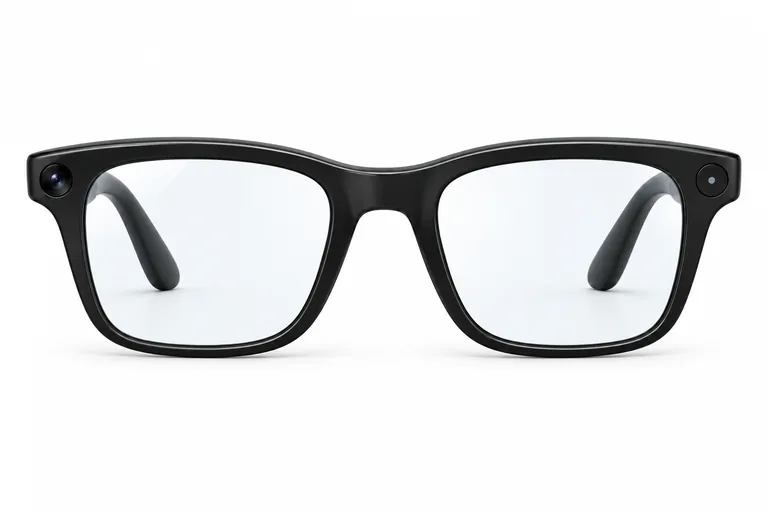
Reference image
Meta
Display-free Meta AI glasses in the Adventurer frame with hands-free capture and open-ear audio.
Read the product brief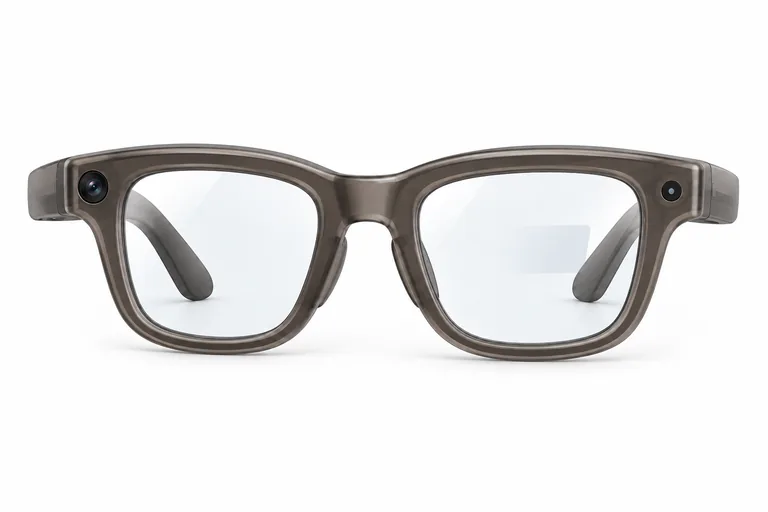
Reference image
Meta / Ray-Ban
AI glasses with a private full-color in-lens display and the included Meta Neural Band for EMG-based control.
Read the product brief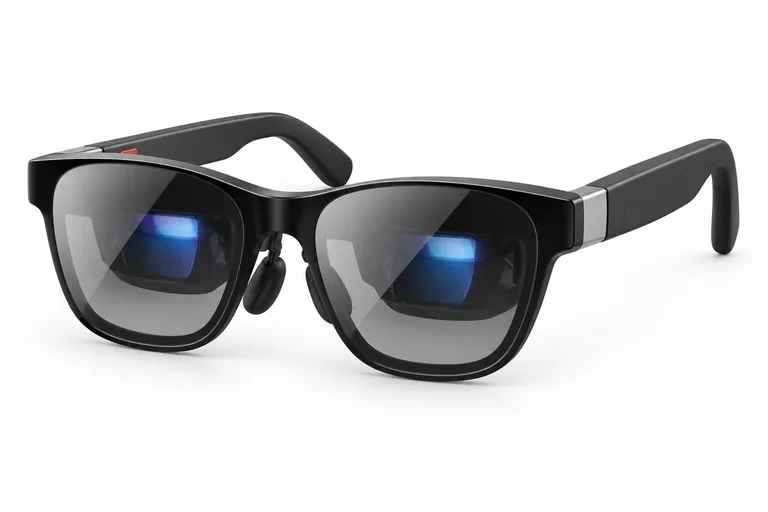
Reference image
XREAL
Tethered AR display glasses with a Micro-OLED screen, native 3DoF spatial display, and the XREAL X1 chip.
Read the product briefHow to read the shortlist
Start with what you want your glasses to do: capture the moment, show useful information, or give you a screen on the go.
Everyday-AI models should be judged first on wearability, controls, audio, capture behavior, and privacy cues.
Display models trade spectacle for glanceable information, so readability, controls, fit, and software support matter.
Spatial-display models turn a compatible host into a private screen, making connection paths and required accessories decisive.
Choose the experience first
Camera-first AI, audio-only AI, in-view displays, and wearable monitors may share a shelf, but they should not share the same buying criteria.
Browse the full device catalogPrioritize frame comfort, audio, capture controls, privacy cues, assistant availability, and prescription support.
Prioritize microphone quality, open-ear audio, assistant support, comfort, battery life, and the privacy benefit of a camera-free frame.
Look closely at display visibility, readable content, control methods, fit, and whether the software matches your daily routines.
Field of view, image clarity, compatible sources, comfort, sound leakage, and extra accessories matter more than camera features.
Decision desk
Start with the question that changes the decision.
Start with frame style, capture controls, privacy cues, and what you are prepared to wear in public.
Reference imageCompare the kind of information you want in view before comparing the frames around it.
Reference imageOne gives you a private screen. The other stays with you through the day. That distinction settles most decisions.
Reference imageThe journal
Explore the device catalog or narrow your options in the smart glasses finder.
A quieter route in
Use the finder to narrow the field by use case, phone compatibility, prescription needs, and the kind of experience you actually want.
Before you choose
A few things to consider before choosing your next pair.
Start with your main use, then compare phone compatibility, comfort, battery life, and price. The finder can help narrow your options.
Compatibility varies by model. Check the supported phones, operating systems, and required apps before buying. Spatial displays may also need a compatible video connection or adapter.
Some models support prescription lenses, while others use a separate insert. Check the options and supported prescription range for the exact frame you choose.
Choose the core job first. Pick everyday AI for capture, audio, and voice features; a discreet display for glanceable information; or spatial glasses when a private wearable screen is the main attraction.
Your next step
Compare smart glasses side by side and find the features that fit your day.
Build a comparison